After Landsat 7: Honouring a Legacy, Continuing the Mission
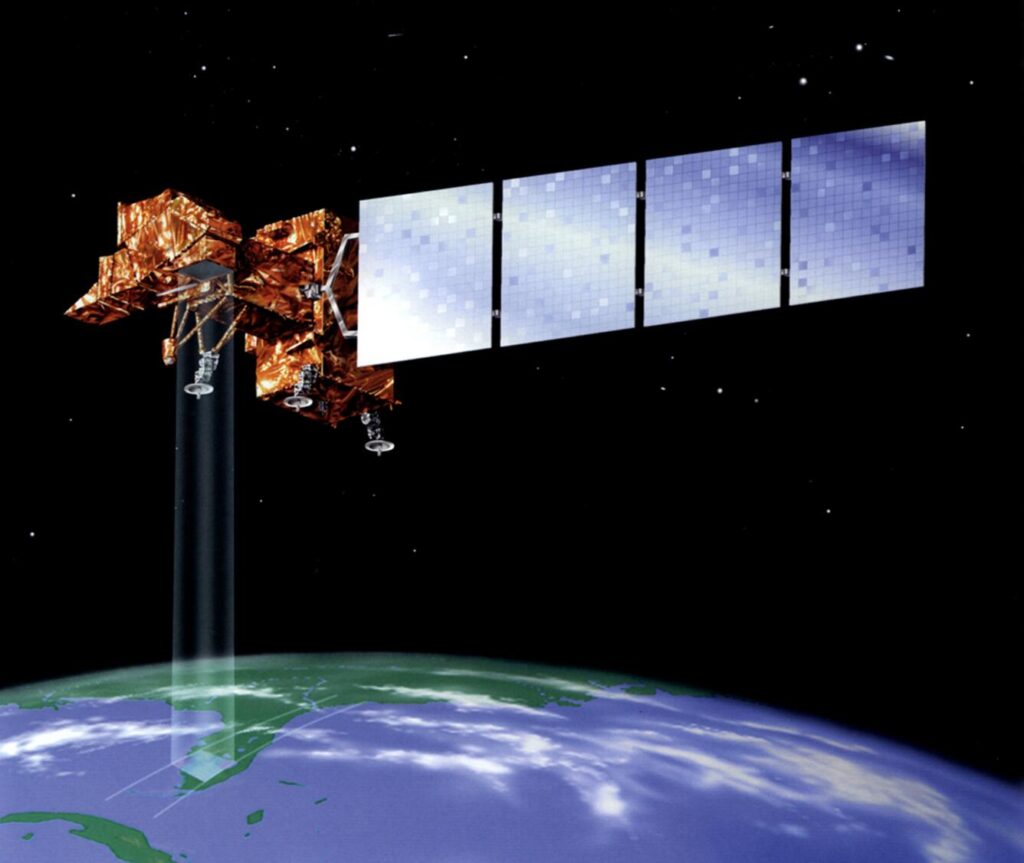
On June 4, 2025, Landsat 7 completed its mission after more than twenty years in orbit, closing a chapter in one of the longest-running Earth observation programs in history. Its retirement marks a moment to pause and reflect on the value of the Landsat program itself, a program that has shaped global understanding of forests, water, cities, agriculture, and environmental change for more than five decades.
Landsat’s legacy is built on something simple but powerful: continuity. From the launch of Landsat 1 in 1972 to today’s active Landsat 8 and 9 satellites, the program has delivered a consistent, openly accessible record of the planet’s surface. Its moderate spatial resolution is balanced by unmatched temporal depth, enabling scientists and policymakers to trace long-term change with confidence.
This piece looks at why Landsat remains indispensable, how its imagery has informed everything from global forest monitoring to drought analysis, and what the next generation, Landsat Next, promises for environmental science and climate resilience. As Landsat 7 becomes part of history, the mission it helped define continues forward, offering one of the world’s most reliable windows into Earth’s transformation.